Profitable Champions League Betting Strategy
 Available in US
Developing a coherent strategy for Champions League betting requires acknowledging an uncomfortable truth that most punters prefer to ignore: the vast majority of people who bet on European football lose money over time. This is not because profitable betting is impossible but because most approaches rely on intuition, team loyalty, and surface-level analysis rather than systematic methods designed to identify genuine value. The path to sustainable success runs through discipline, research, and a willingness to pass on attractive-looking opportunities that fail to meet strict criteria.
What distinguishes profitable Champions League bettors from the losing majority is not necessarily superior football knowledge, though that certainly helps. The difference lies primarily in approach. Recreational punters bet because they enjoy it, treating losses as entertainment costs and wins as pleasant bonuses. Serious bettors treat wagering as an investment activity where every decision must justify itself through expected value calculations rather than emotional satisfaction. The entertainment comes from the process of finding edges rather than the thrill of watching bets land.
This examination of Champions League betting strategy assumes you want to move toward the serious end of that spectrum. We will explore analytical frameworks, psychological discipline, and practical methods that successful bettors actually use rather than the oversimplified tips that dominate most betting content. The goal is providing genuinely useful information that improves your decision-making rather than feel-good advice that sounds reasonable but produces no practical benefit.
To execute these analytical methods effectively, you must ensure you are registered with the best bookmakers for Champions League betting that offer high limits and competitive odds.
Differentiating European and Domestic Team Form

Separating European form from domestic performance represents the foundational analytical challenge in Champions League betting. Teams that dominate their domestic leagues sometimes struggle dramatically when facing continental opposition, while clubs with modest league positions occasionally produce remarkable European campaigns. Understanding why these disconnections occur helps identify situations where bookmaker pricing fails to account for competition-specific factors.
The reasons for European versus domestic performance gaps vary by club and circumstance. Some relate to tactical flexibility, with certain managers excelling at the specific challenges posed by knockout football while others struggle to adapt approaches that succeed domestically. Squad depth matters differently across competitions, since Champions League campaigns add matches that strain thin rosters while rewarding clubs able to rotate without significant quality drops. Psychological factors play roles as well, with some players and teams rising to big occasions while others wilt under the distinctive pressure of European nights.
Manchester City’s struggles in the Champions League despite domestic dominance provided a decade-long case study in this phenomenon. The same squad that overwhelmed Premier League opponents sometimes appeared uncertain against continental opposition, losing ties to clubs they theoretically outclassed. Whether attributed to tactical predictability, knockout mentality issues, or simple variance in small sample sizes, the pattern demonstrated that domestic excellence does not automatically translate to European success. Bettors who recognized this disconnect could find value fading City in spots where their reputation as overwhelming favorites exceeded their actual knockout performance history.
Conversely, clubs like Porto and Benfica consistently exceed expectations in European competition despite limited domestic resources compared to top-five league giants. Their experience navigating Champions League campaigns, organizational stability, and psychological comfort with underdog roles enable performances that pure quality assessments miss. These teams often provide value as underdogs or in markets where bookmakers underestimate their capacity to compete with supposedly superior opposition.
Analyzing Form with Contextual Sophistication
Analyzing form requires contextual sophistication that extends beyond simply noting recent results. A team winning four consecutive matches seems impressive until you examine the opposition faced, the circumstances of each game, and whether underlying performance metrics support the results achieved. Conversely, a side that drew their last two fixtures might have dominated territorially against elite opponents, with results failing to reflect their actual level of play.
Expected goals and expected goals against provide more reliable indicators of sustainable performance than actual goals scored and conceded. These metrics measure the quality of chances created and allowed, revealing whether a team is performing above or below levels their play deserves. A side significantly outperforming their expected goals has likely benefited from finishing luck that may not persist. One underperforming expected metrics might be due for positive regression as conversion rates normalize.
Applying expected goals analysis to Champions League betting requires understanding its limitations alongside its value. Small sample sizes make tournament-specific expected goals data unreliable until teams have played several matches. Stylistic mismatches between competition levels mean domestic expected goals may not translate directly to European performance. The best approach involves using expected goals as one input among many rather than treating them as definitive predictors.
Home Advantage in Champions League Football
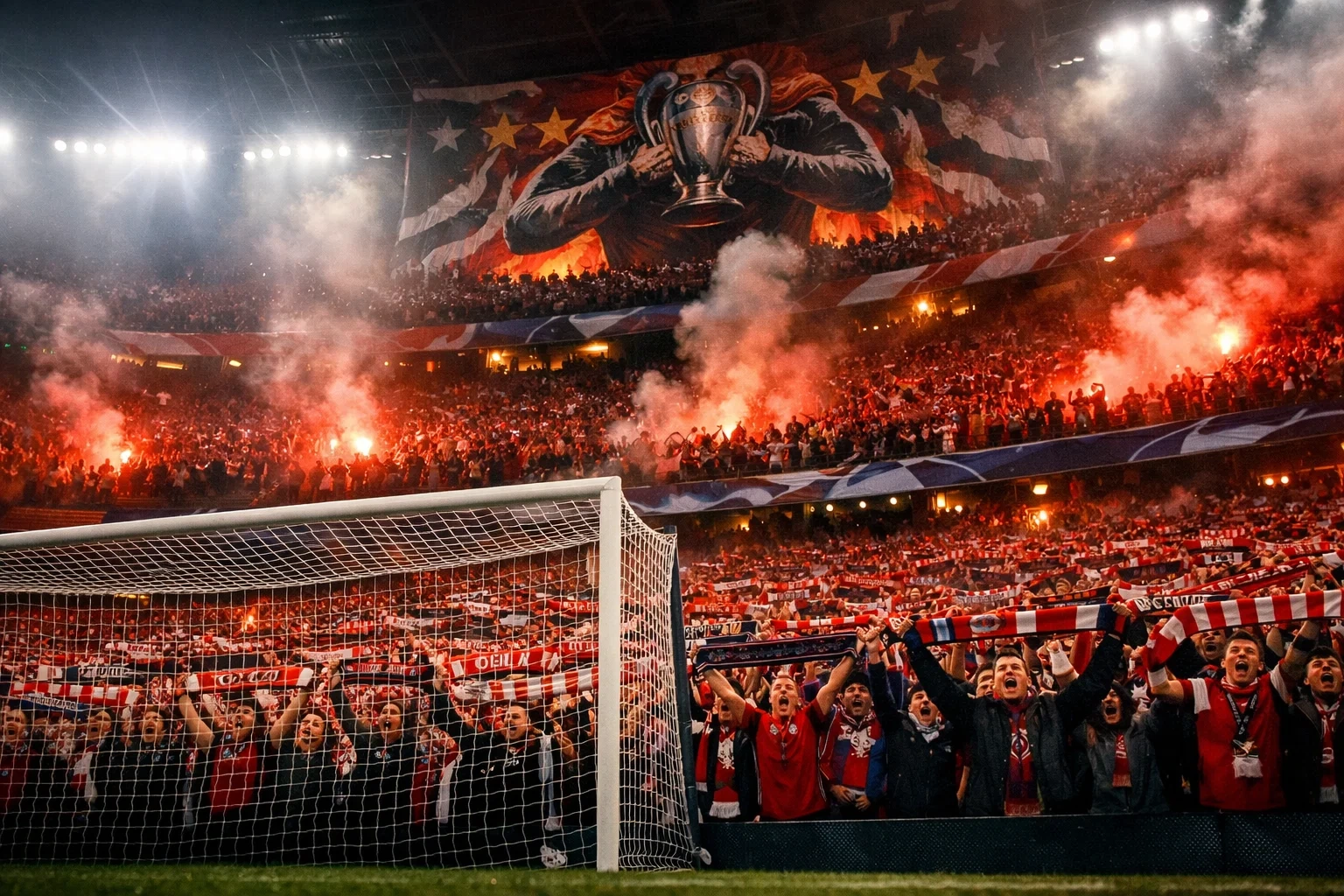
Home advantage operates differently in Champions League football compared to domestic competition, and understanding these differences creates betting opportunities. Traveling to away fixtures in Europe involves genuine disruption that domestic travel rarely matches. Different time zones, unfamiliar playing surfaces, hostile atmospheres in foreign stadiums, and long journeys all affect away team preparation and performance. These factors compound to produce home advantage effects that sometimes exceed domestic patterns.
However, the magnitude of Champions League home advantage varies substantially by specific circumstance. Elite clubs playing weaker opposition at home face very different situations than evenly matched sides meeting in knockout rounds. Some stadiums create particularly intimidating atmospheres that visiting teams historically struggle against, while others provide minimal psychological edge despite technical home status. Weather and climate differences matter when southern European teams visit northern venues in winter months or vice versa.
The practical implication for betting strategy involves adjusting expectations based on specific home advantage factors rather than applying uniform assumptions across all fixtures. A Premier League giant traveling to a hostile Eastern European venue for a league phase match faces different challenges than the same club hosting a Portuguese side at their own stadium. Recognizing these distinctions enables more accurate probability assessments that sometimes diverge meaningfully from bookmaker pricing.
Squad Depth and Rotation Patterns
Squad depth and rotation patterns deserve more analytical attention than most Champions League bettors provide. The tournament’s condensed schedule creates fixture congestion that forces managers to make difficult selection decisions. Some prioritize European competition heavily, fielding strongest available lineups regardless of domestic implications. Others rotate extensively, accepting occasional European disappointments to preserve squad freshness for league campaigns they consider more important.
Understanding managerial priorities helps predict lineup strength for specific fixtures, which directly impacts betting analysis. A dead rubber league phase match after qualification has been secured might feature reserve players that drastically change expected performance levels. Conversely, must-win knockout situations typically see managers deploying their strongest available selections regardless of upcoming domestic commitments.
Monitoring press conferences and injury updates becomes essential for Champions League betting given rotation’s prevalence. Starting eleven announcements arrive roughly one hour before kickoff, providing limited time for market adjustment but enough to shift odds if unexpected selections emerge. Bettors who track team news closely can sometimes identify value in the brief window between lineup confirmation and kickoff, though this approach requires preparation and quick decision-making rather than leisurely analysis.
Managerial Experience in European Competition
Managerial experience in European competition influences outcomes in ways that betting markets sometimes undervalue. Coaches who have navigated deep Champions League runs understand the tactical and psychological adjustments knockout football requires. They know when defensive approaches serve better than attacking ambition, how to manage aggregate positions across two-legged ties, and which players handle European pressure effectively versus those who struggle with big-occasion tension.
First-time managers at Champions League level frequently make mistakes that experienced counterparts avoid. They might approach knockout fixtures with domestic tactical templates that fail against continental opposition. They may misjudge substitution timing when aggregate positions require different considerations than single-match thinking. They sometimes fail to adequately prepare players for the distinct psychological challenges of elimination football against unfamiliar opponents from different footballing cultures.
When evaluating fixtures involving managers with limited European experience, consider whether their tactical approaches translate to Champions League contexts. A pressing-heavy style that overwhelms domestic opposition might struggle against technically superior European sides comfortable playing through pressure. A possession-dominant philosophy might face difficulties against counter-attacking specialists who thrive with space to exploit behind high defensive lines.
Value Betting in Champions League Markets
Value betting in Champions League markets requires developing probability assessments independent from bookmaker odds before comparing your estimates to available prices. This process sounds straightforward but proves surprisingly difficult in practice. Most bettors unconsciously anchor their expectations to the odds they see, making genuine independent assessment nearly impossible without structured approaches that prevent this influence.
One effective method involves analyzing fixtures and forming probability judgments before checking any odds. You might decide that Team A has roughly a forty percent chance of winning a particular match based on your analysis of relevant factors. Only after reaching this independent conclusion do you examine bookmaker pricing to determine whether value exists. If odds imply Team A has only a thirty percent win probability, you have identified potential value worth pursuing. If odds suggest fifty percent probability, the match offers no betting opportunity despite your favorable view of Team A’s chances.
Developing accurate probability assessments requires honest evaluation of your predictive track record over time. If your forty percent confidence selections win only thirty percent of the time across large samples, your assessment process overestimates certain outcomes and requires recalibration. Recording predictions and actual results enables this feedback loop, though many bettors avoid such tracking because it reveals uncomfortable truths about their analytical accuracy.
Psychological Discipline

Psychological discipline separates successful bettors from those who understand strategy intellectually but fail to implement it consistently. Knowing that you should only bet when genuine value exists differs fundamentally from actually declining attractive-looking wagers that fail to meet your criteria. The gap between theoretical knowledge and practical execution explains why many intelligent, knowledgeable football followers still lose money betting.
The most common psychological failure involves chasing losses through increasingly desperate bets after initial selections fail. A bad night where three consecutive bets lose creates emotional pressure to recover through larger subsequent stakes or higher-risk selections offering greater potential returns. This response almost universally accelerates losses rather than recovering them. Accepting that losing periods occur within any sustainable strategy proves essential for long-term survival.
Equally damaging is the tendency to over-bet during winning streaks, increasing stakes beyond sustainable levels because recent success creates overconfidence in analytical abilities. Variance ensures that even genuinely skilled bettors experience winning and losing runs that exceed what underlying edge predicts. Responding to these runs by adjusting stake sizes amplifies variance without improving expected returns, creating boom-bust patterns that frequently end in bust regardless of actual analytical capability.
Bankroll Management
Bankroll management provides the structural framework within which all other strategic elements operate. Without appropriate stake sizing and loss limits, even genuinely profitable analytical approaches can produce account depletion through variance effects. A bettor with real edge who stakes inappropriately faces greater risk than one with no edge who sizes conservatively.
The standard recommendation involves staking between one and five percent of total bankroll per bet, with exact percentages depending on edge confidence and variance tolerance. This approach ensures that inevitable losing runs reduce bankroll without eliminating it entirely, preserving capital for future opportunities when edges can be exploited. It also prevents winning runs from inflating stakes to unsustainable levels that subsequent losses devastate.
Champions League betting introduces specific bankroll considerations that domestic-focused strategies might miss. The tournament spans eight months with betting opportunities concentrated in specific windows rather than distributed evenly across the calendar. Depleting bankroll during autumn league phase matches leaves nothing for potentially more valuable knockout opportunities later. Conversely, excessive caution early might mean missing genuine value that does not recur in later stages.
Specialization Versus Diversification
Specialization versus diversification represents a strategic choice without universally correct answers. Some successful bettors develop deep expertise in specific leagues, team types, or market categories, accepting narrower opportunity sets in exchange for superior edge within their specialization. Others maintain broader approaches that provide more frequent betting opportunities at potentially reduced average edge per wager.
Arguments for specialization emphasize that genuine expertise requires focused attention that diversified approaches dilute. Someone who follows Spanish football intensively understands La Liga team dynamics, managerial tendencies, and player capabilities far better than someone who casually monitors leagues across Europe. That deep knowledge translates to more accurate assessments when Spanish clubs appear in Champions League fixtures, providing edge that surface-level analysis misses.
Arguments for diversification note that narrow specialization limits opportunity volume, requiring larger edges per bet to produce meaningful returns. A specialist betting only on matches involving their focused league might find genuine value in perhaps ten to fifteen Champions League fixtures per season. Maintaining similar returns through diversified approaches requires smaller edges across many more opportunities, which may prove easier to achieve depending on individual analytical strengths.
Tracking Results and Refining Approaches
Tracking results and refining approaches completes the strategic framework by enabling continuous improvement based on actual performance rather than theoretical expectations. Recording every bet with detailed information about reasoning, odds, stakes, and outcomes creates a database that reveals patterns invisible during day-to-day betting activity.
Regular review of betting records might reveal that certain market types consistently underperform while others exceed expectations. You might discover that your assessments of specific leagues or team types prove more accurate than others. These insights enable strategic refinement that concentrates future activity on demonstrably profitable approaches while reducing or eliminating consistently losing areas.
Honest assessment requires resisting the temptation to explain away losses through bad luck while claiming wins as analytical success. Variance affects all outcomes, meaning individual bets reveal almost nothing about underlying strategy quality. Only large samples across multiple seasons provide reliable information about whether your approach genuinely identifies value or merely experiences temporary positive variance destined to revert.
The Champions League provides an excellent context for developing and refining betting strategy because its annual recurrence creates ongoing learning opportunities while its prestige ensures extensive information availability for those willing to conduct thorough research. Each season offers chances to apply lessons from previous campaigns while testing refinements against fresh fixtures. The bettors who improve continuously through this process gradually separate themselves from recreational participants who repeat the same mistakes season after season.
Building genuine betting expertise requires patience measured in years rather than weeks or months. Quick profits occasionally occur through variance, but sustainable success demands the accumulated wisdom that only extended experience provides. Approach Champions League betting as a long-term endeavor where each season adds to your understanding, and the compounding effects of continuous improvement will eventually produce results that casual approaches cannot match.
Understanding Tournament Phase Dynamics
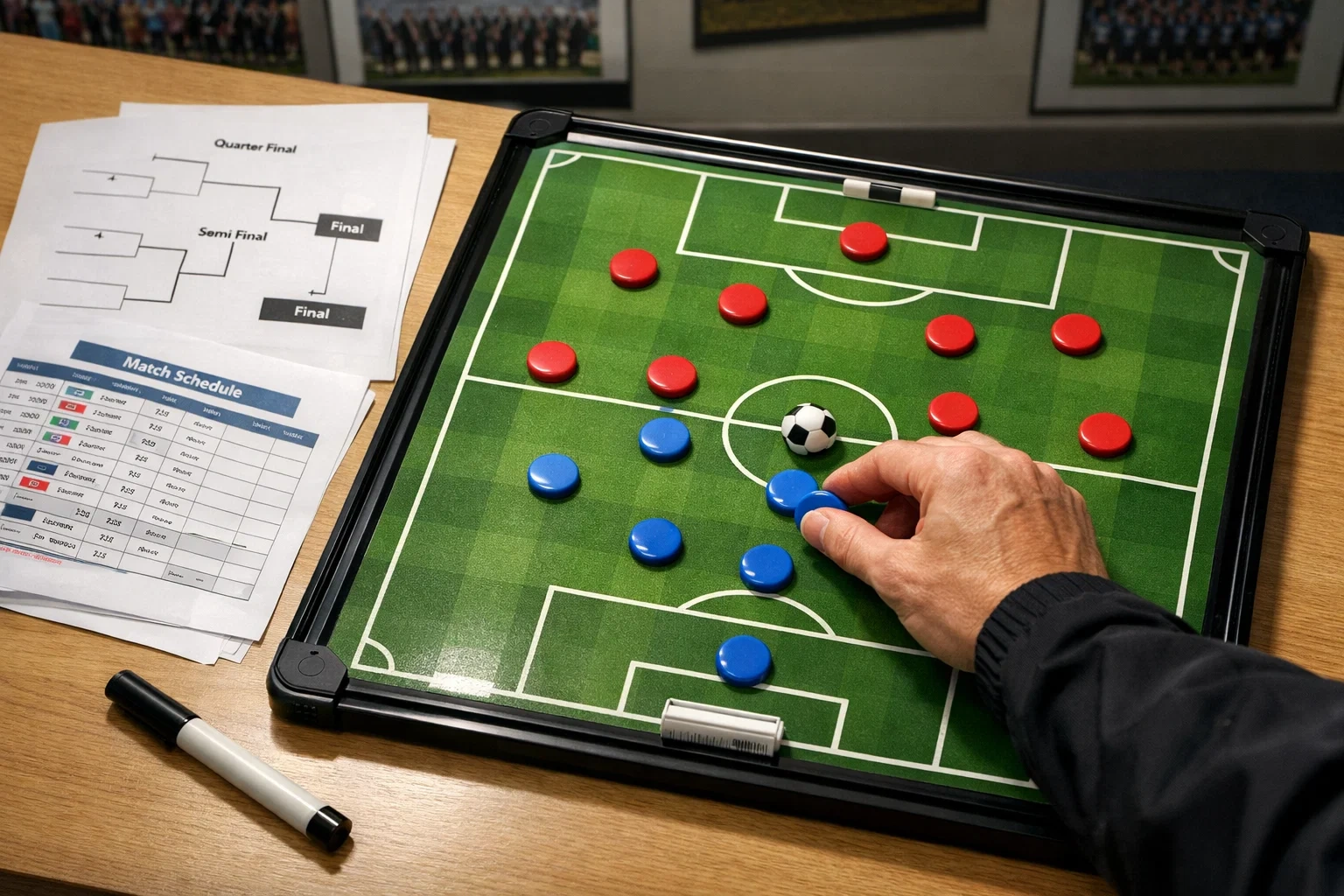
Understanding tournament phase dynamics adds another layer of strategic sophistication that many bettors neglect. The Champions League is not a homogeneous competition but rather a series of distinct phases, each presenting different strategic challenges and opportunities. League phase fixtures operate under different pressures than knockout rounds, with first legs differing fundamentally from second legs where aggregate positions are already established.
League phase matches early in the campaign often feature teams still finding European rhythm after summer breaks focused on domestic preparation. Managers experiment with systems and personnel, making outcomes less predictable than later in the tournament when patterns have stabilized. This uncertainty can benefit bettors willing to take positions others avoid, though it equally increases the difficulty of accurate assessment. The key lies in recognizing when uncertainty creates genuine mispricing versus when it simply adds noise that makes profitable betting impossible.
As the league phase progresses, qualification scenarios begin influencing team motivations in ways that affect betting value. A club certain of top-eight placement might rest key players for the final league phase match, while one needing points to avoid elimination throws everything into that fixture. These motivation asymmetries create opportunities when bookmakers price matches primarily on team quality without fully accounting for circumstantial factors that affect actual performance incentives.
Knockout football transforms strategic considerations entirely. The two-legged format before the final means teams play for aggregate positions rather than individual match outcomes. A goalless draw that seems disappointing for the home team in isolation might represent excellent positioning if it sets up a favorable second-leg situation. Bettors who understand aggregate thinking can identify value that those focused solely on ninety-minute outcomes miss.
First and Second Leg Dynamics
First legs of knockout ties typically favor conservative approaches as neither side wants to concede goals that could prove decisive in the return fixture. Home teams face particular pressure since losing first legs at home creates extremely difficult aggregate positions to overturn. This dynamic often produces cagey matches with fewer goals than casual expectations suggest, creating value in under goals markets when bookmakers price excitement rather than probable tactical reality.
Second legs vary dramatically based on first-leg outcomes. Teams trailing on aggregate must attack to have any hope of progressing, creating open matches where goals flow in both directions. Conversely, sides protecting comfortable leads often sit deep and absorb pressure, producing matches where possession statistics heavily favor the chasing team without necessarily indicating genuine control. Understanding how specific aggregate positions influence tactical approaches enables more accurate betting assessments than treating all second legs identically.
Weather and Environmental Factors
Weather and environmental factors receive insufficient attention in most Champions League betting analysis despite their genuine impact on match outcomes. European football spans enormous geographic and climatic diversity, with fixtures ranging from mild Mediterranean evenings to freezing Nordic conditions. Teams accustomed to particular environments sometimes struggle when circumstances change dramatically, and these adjustments affect performance in predictable ways.
Technical teams built around intricate passing and movement face different challenges on frozen or waterlogged pitches than on immaculate surfaces that suit their style. Direct approaches become more viable when conditions prevent the ball control that possession-dominant sides require. A team that looked vulnerable against technically superior opposition in September might handle the same opponent effectively in December when winter conditions level the playing field.
Altitude effects matter for certain Champions League venues, though relatively few fixtures involve significant elevation differences. Teams visiting high-altitude locations require acclimatization time that the typical Champions League schedule does not permit, potentially affecting performance in ways domestic league opponents who travel more frequently have already adapted to handle.
Referee Tendencies and Officiating Patterns
Referee tendencies and officiating patterns provide another analytical dimension that sophisticated bettors track while casual punters ignore. UEFA assigns officials to Champions League fixtures from a panel of elite referees, each bringing distinct tendencies regarding card distribution, penalty decisions, and advantage playing. These patterns influence outcomes in ways that affect specific betting markets.
Some referees consistently produce matches with high card counts, awarding yellows for challenges that other officials would deem fair or merely cautioning players. Others maintain lenient approaches that allow physical play to continue without interruption. Tracking these tendencies enables informed betting on cards markets where broader punter attention focuses elsewhere. If a strict referee is assigned to a fixture between physical teams with aggressive playing styles, the over cards market might offer value that casual assessment misses.
Penalty-giving tendencies vary similarly, with some referees more willing than others to point to the spot for marginal contact in the box. While sample sizes for individual referee penalty patterns are necessarily small, persistent tendencies do emerge across careers that can inform betting analysis when specific officials are assigned to fixtures featuring teams that create many penalty area situations.
The Psychological Weight of Champions League Occasions
The psychological weight of Champions League occasions affects players and teams in ways that pure quality assessments cannot capture. Some individuals thrive under the spotlight of European nights, elevating their performances when stakes increase. Others struggle with the pressure, delivering below their typical standards when the moment demands most. Recognizing which players fall into which category helps predict outcomes when facing situations that test mental fortitude.
Teams carry institutional memories of past European experiences that influence current performances. Clubs that have suffered traumatic Champions League defeats sometimes show psychological fragility in similar situations, unable to fully trust their abilities despite objective quality that should produce confidence. Conversely, teams with histories of remarkable comebacks draw on those experiences when facing adversity, believing they can replicate past escapes even from dire positions.
Manager psychology matters as well. Some coaches handle the specific pressures of European competition comfortably, making clear decisions under time pressure and maintaining composure when situations deteriorate. Others visibly struggle with knockout football dynamics, making substitutions that betray panic rather than strategic intent. These patterns tend to repeat, providing betting-relevant information for those who track managerial behavior across multiple Champions League campaigns.
Integrating Multiple Analytical Perspectives

Integrating multiple analytical perspectives into coherent betting decisions represents the ultimate strategic challenge. No single factor determines Champions League outcomes reliably enough to base all betting decisions upon it. Form analysis matters, but so do tactical matchups, motivational factors, environmental conditions, officiating tendencies, and psychological dynamics. The best bettors synthesize all relevant information into probability assessments that account for each factor’s relative importance in specific contexts.
This integration cannot follow rigid formulas because the relevance of different factors varies by fixture. A league phase match between evenly matched clubs might depend primarily on tactical factors and current form. A knockout tie second leg might hinge almost entirely on aggregate position and resulting tactical approaches. An early-round fixture against clear underdogs might see squad rotation as the dominant consideration. Developing judgment about which factors matter most in particular situations comes only through experience and honest evaluation of past analytical successes and failures.
The most successful Champions League bettors share certain characteristics regardless of their specific analytical approaches. They maintain rigorous discipline about only betting when genuine value exists rather than betting for entertainment. They manage bankrolls conservatively enough to survive inevitable losing periods. They track results honestly and refine approaches based on evidence rather than self-protective narratives. They treat betting as a serious endeavor deserving sustained attention rather than a casual hobby requiring minimal effort.
These characteristics can be developed through conscious practice even by those who currently lack them. The question is whether you genuinely want to approach Champions League betting seriously enough to implement changes that might feel uncomfortable or restrictive initially. If entertainment remains your primary goal, accepting that losses will likely exceed wins over time allows you to enjoy the experience without unrealistic profit expectations. If profitable betting genuinely interests you, the strategic framework outlined here provides a starting point for the sustained effort that genuine success requires.
Build your bankroll safely with the trusted insights provided by our expert UCL betting hub.
